There is a simple fact to bear in mind when you consult this guide: Uluru is a remote, hot and culturally important place that demands to be planned for. The massive red sandstone monolith of the Northern Territory’s Red Centre, or Ayers Rock as it is also called, is found near Yulara and the confines of Uluru-Kata Tjuta National Park.
We set out to tell you what to do, where to put up and how long to allow, as well as the best time to make your visit, including the shoulder season. You will find advice from Brodie Langridge, whose work in tour operations and visitor information has taught him that “remote” can be a lot further than most travellers anticipate. We also address the pitfalls, be it the heat on a walk, transport constraints or the fact that the Uluru climb is no longer an option.
Plan Your Uluru Trip
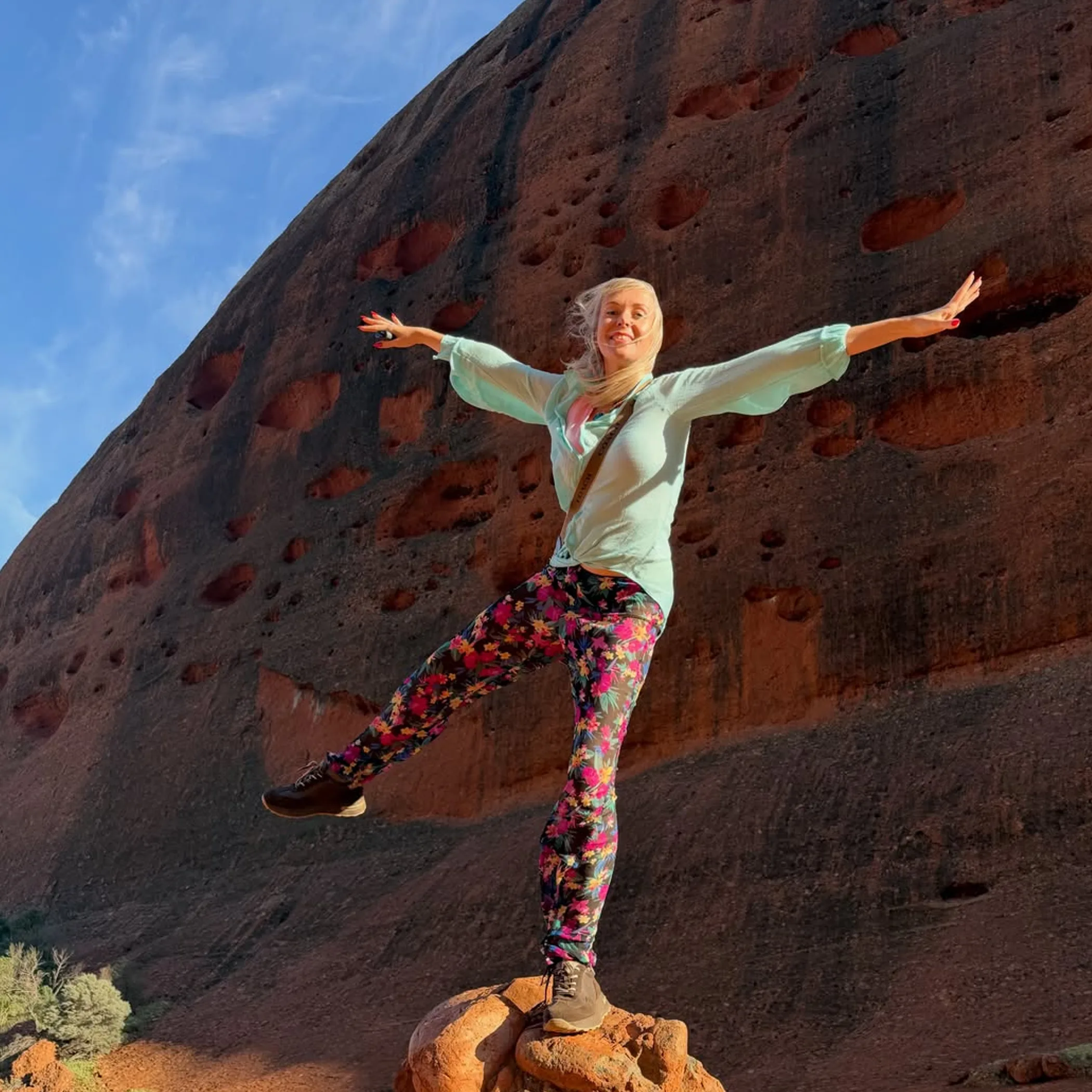
Travellers who are not in a hurry and allot the place the time it deserves will be amply rewarded by Uluru. One can rush through the main sights in a day, but if you put in two or three nights you can see the sunrise and sunset, get some cultural interpretation and take in Kata Tjuta and the way the light changes without making of the Red Centre a drive-through service station.
The statistics are there: 348 metres in height and some 9.4 kilometres around. But they do not convey the sense of scale at the base of the rock. Have your water with you and make time; this is not just a matter of putting a lens to your eye before lunch.
Expectation Versus Reality
You may think you will come, have a photo and cross it off the list. In reality the atmosphere and colours are in flux, and the temperature will go from a cold winter morning to something quite hot in the afternoon. Be prepared for flies, dust, long distances and early hours, and to wait on the sun.
Anangu, the traditional owners, have had their way in the permanent closure of the Uluru climb. Yet the park’s facilities and tours are there for visitors to learn of the site’s significance and to make the walk around the base.
Getting to Uluru
As Uluru is in the heart of Australia, a bit more organisation is called for than a coastal weekend. Most will fly into Ayers Rock Airport by Yulara, put in a drive from Alice Springs or sign up for a Northern Territory tour.
Many opt for the straightforward route of a flight to Ayers Rock and then a hire car or transfer to Yulara; do check current routes before you book a room. For those driving, the Stuart Highway is no place to be taken unawares by a road train, so fuel and rest stops should be put in place.
Road, Rail And Air
By way of the sealed Lasseter Highway you can cover the 450 kilometres from Alice Springs to Yulara in 4.5 to 5 hours, barring any lengthy halts. There is flexibility in driving but one must prepare for the summer conditions, wildlife and the odd lack of services.
Passenger rail does not run to Uluru. The Ghan will put you in Alice Springs but onward travel to Yulara is necessary. An organised tour from there spares you the navigation but expect basic camping and days in the car.
In short, the map reads: Alice Springs to Erldunda and west on the Lasseter to Yulara, with the national park at hand. A pass and means of transport are required for the park itself, which is distinct from the airport and resort.
Inside The Park
If you want to call the shots on your walking times and the like, a hire car is best. Otherwise a guided tour or bus will provide commentary and someone else at the wheel. Shuttles in Yulara are sometimes on offer but it is as well to put in a word with your accommodation as to what is running.
Do not make the mistake of thinking all the attractions are on the resort doorstep. The walking tracks, cultural centre and Kata Tjuta are some distance apart. Get a hold of a park map and top up your water before you head out.
When to Go
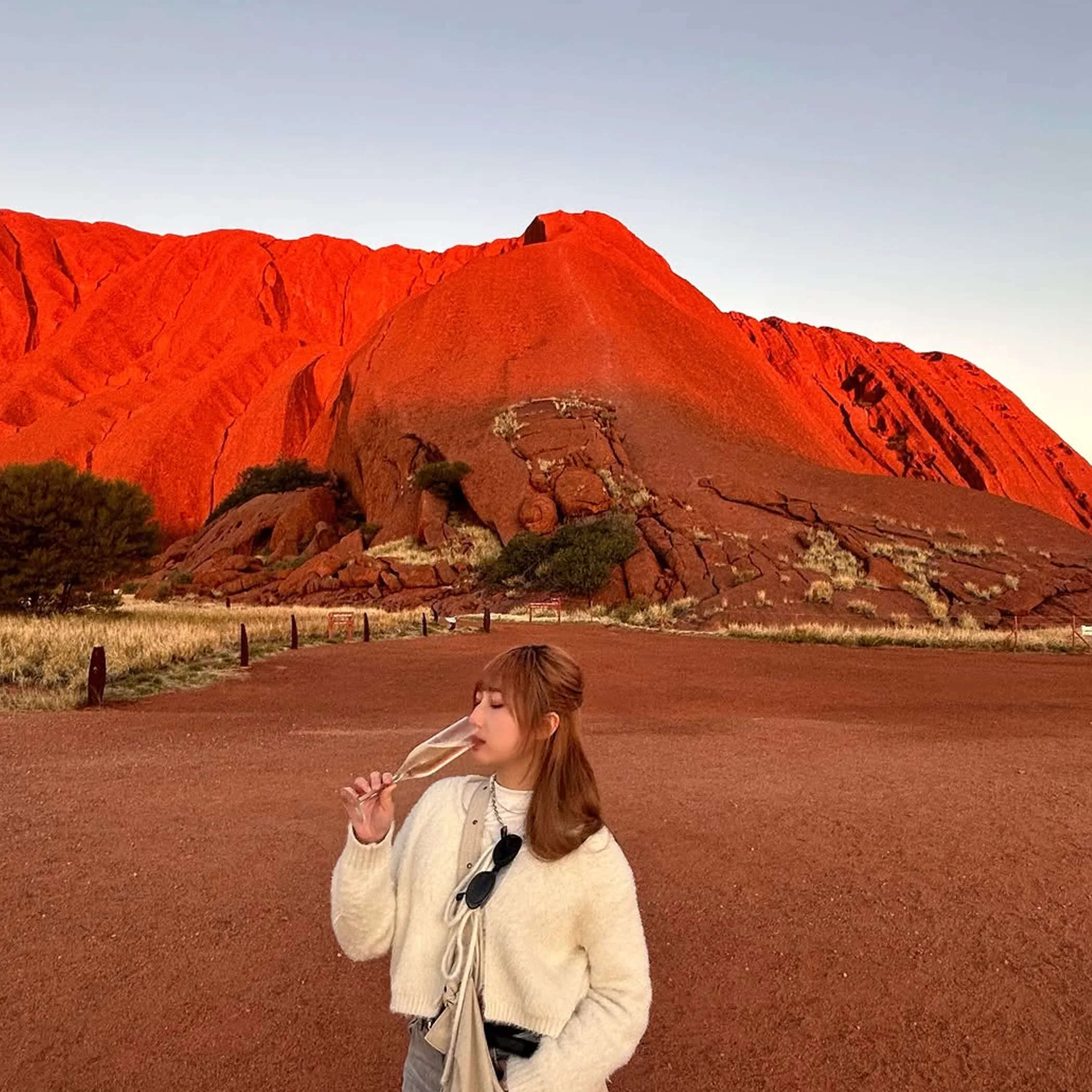
Autumn to spring is the cooler time and as a rule the most comfortable for a walk. One finds a good compromise in the shoulder season with its more clement temperatures and an absence of the pressures that come with peak times, though do not expect the Red Centre to be as placid as a postcard.
For the most part Uluru is dry, but the weather has a way of turning on you. A pre-dawn winter morning can be nippy, and by midday in summer it is unwise to be out for any length of time. It is best to look at the forecast before you leave and view a track closure as what it is: a matter of safety, not some slight on your plans.
Seasonal Conditions
| Season | What To Expect | Best Approach |
|---|---|---|
| Summer | Expect storms and very hot days, early starts and the odd closure | Dawn is the time to walk; put in extra water and shun midday |
| Autumn | Comfortable for walking as the days are cooler | Make your booking in advance and put aside time for the sunrise and sunset |
| Winter | Popular periods are busy; mild days preceded by cold mornings | Have sun protection, gloves and warm layers to hand |
| Spring | Fine conditions in the morning, some wind and warming days | Get an early start and keep an eye on the heat later on |
There is no reason one cannot visit in summer provided there is discipline. The likes of sun and dry air will test even the fitter traveller and many tracks are shut when the heat is extreme. A hat and a litre of water does not make for a sound plan; carry enough for the walk, be up early and have the sense to turn back when required.
Uluru And Kata Tjuta
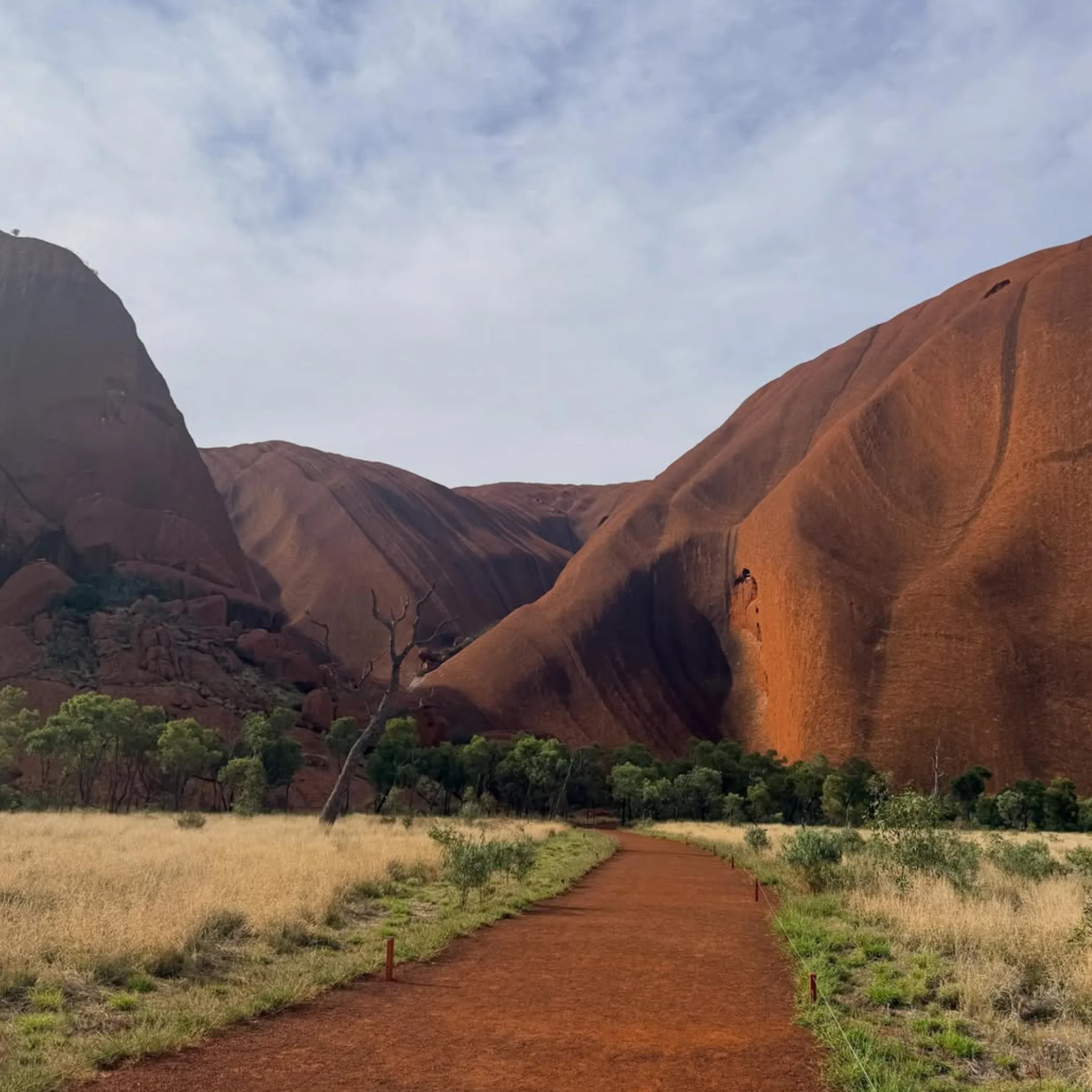
To get the most from Uluru is to mix cultural learning with some observation and movement. After the rock itself, put in a trip to Kata Tjuta or the visitor centre, or if it is running while you are there, the Field of Light and a guided tour.
Anangu and Parks Australia have joint management of the Uluru-Kata Tjuta National Park. The land and its animals and the obligations of those who are here are bound by Tjukurpa, the stories and law of the culture. So give due regard to photography requests and any restricted area or sign. There is no merit in transgressing a cultural line for a selfie.
Cultural Learning
If your schedule allows, make of the cultural centre a first port of call. You will gain some context for the walk ahead and see that the markings, caves and waterholes have a significance not always apparent. For a guided introduction to Uluru the Mala Walk is hard to beat; it is quite accessible and the route to Kantju Gorge is replete with cultural stories and vegetation. The Mutitjulu Waterhole is of interest too, but park rules should be heeded as access is not always certain.
A drive past Kata Tjuta (the Olgas) is not enough. The Valley of the Winds Walk is no easy task in the wind and heat. Should time or fitness be an issue the Walpa Gorge Walk is a sensible substitute, if only because of the exposure and unevenness of the ground.
The Light
The appeal of a sunrise or sunset at Uluru is the way the colour of the rock alters with the light. Factor in the drive and parking and get to the viewing spot well in advance of the posted time, in busy seasons particularly.
Evenings may be spent at the Field of Light, a seasonal installation close to Uluru, but confirm ticket and transport arrangements first. One does not want to be put out in the dark desert after a late event and find the phone is without signal.
Base of Uluru
Walking the base is no casual lap of 10.6 kilometres; with the heat and time for photographs and interpretive stops it is a proper outing of several hours. The going is flat for the most part but that is not to say it is without effort, with the flies, the lack of shade and the surface to contend with. Check for closures and eschew the worst of the day.
Walks at a Glance
| Experience | Typical Effort | Good For |
|---|---|---|
| Mala Walk | Short and on accessible ground, a guided affair | The newcomer |
| Mutitjulu Waterhole | A short return over uneven terrain | Travellers wanting a focused base experience |
| Uluru Base | 10.6 km, several hours | The prepared |
| Walpa Gorge | A rocky option at Kata Tjuta | The moderately fit |
| Valley Of The Winds | Longer and steeper | The experienced |
Put on enclosed shoes and sunscreen, take your water and if you are on your own let someone know where you are going. Dizziness or nausea calls for an immediate stop and assistance. Do not mistake heat illness for character building.
Accommodation in Yulara
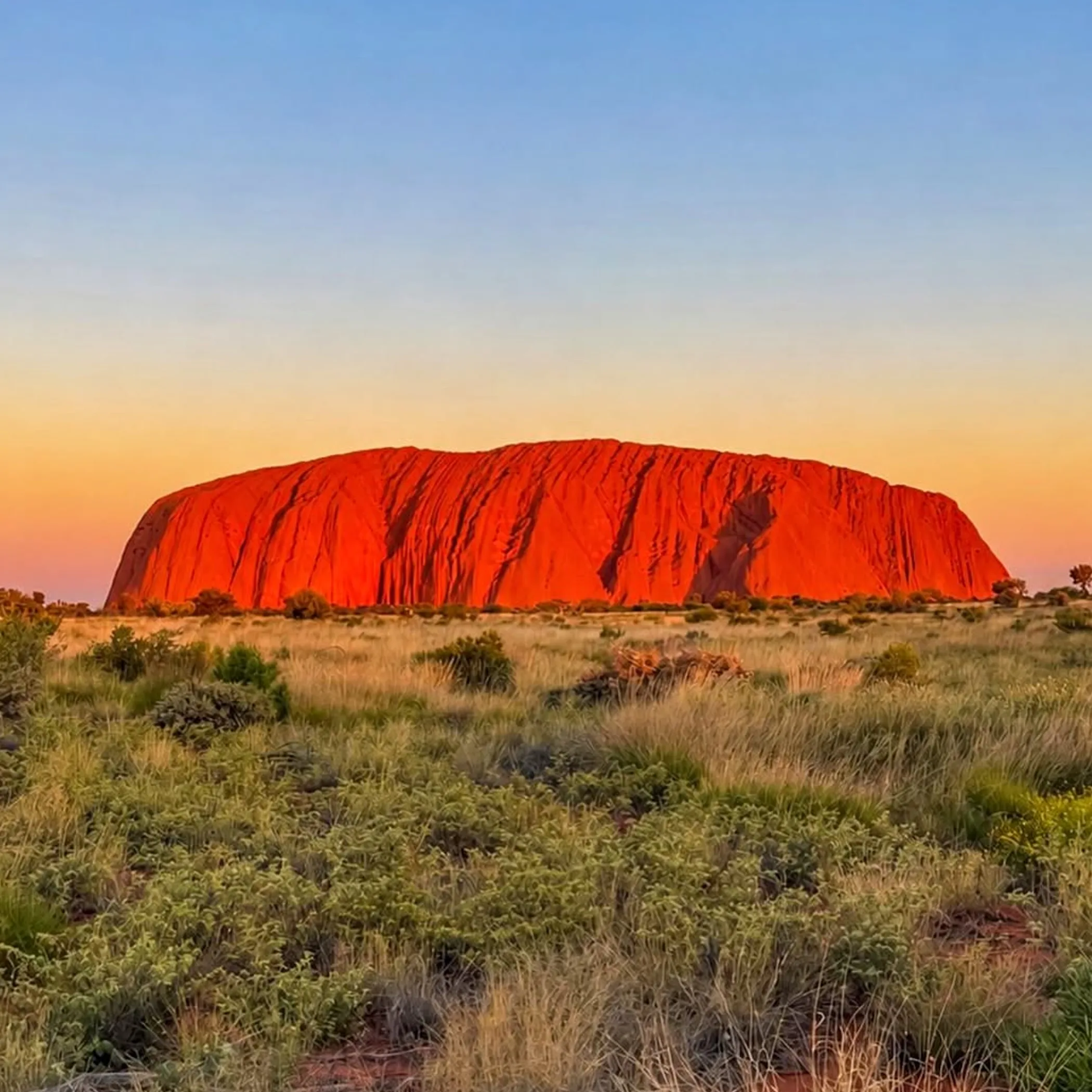
Yulara, the service town that sits just beyond the national park, is where one will find the bulk of Uluru accommodation. There are hotels and apartments to be had as well as campgrounds and other options for the budget traveller, though expect availability and cost to be at a premium during peak times, school holidays or when there is an event on.
Making your base in Yulara is a time saver for the sunrise and sunset, not to mention the drive from Alice Springs. And with the resort facilities at hand you can put in some food and water and have a rest after a hot walk without much trouble.
Plan your stay accordingly
For a dependable base and air conditioning at the end of a long day, a hotel or apartment is the way to go. Those with camping gear and no objection to dust, an early alarm or the odd mozzie will be fine at a campground; just see if the site has what you need in the way of power, linen, transport and cooking.
You can get food in Yulara but being so remote there is not the same range or pricing as in a capital city. Sealed snacks are useful for an early start and do not count on a supermarket being open late once you are back from a tour.
Make it two or three nights
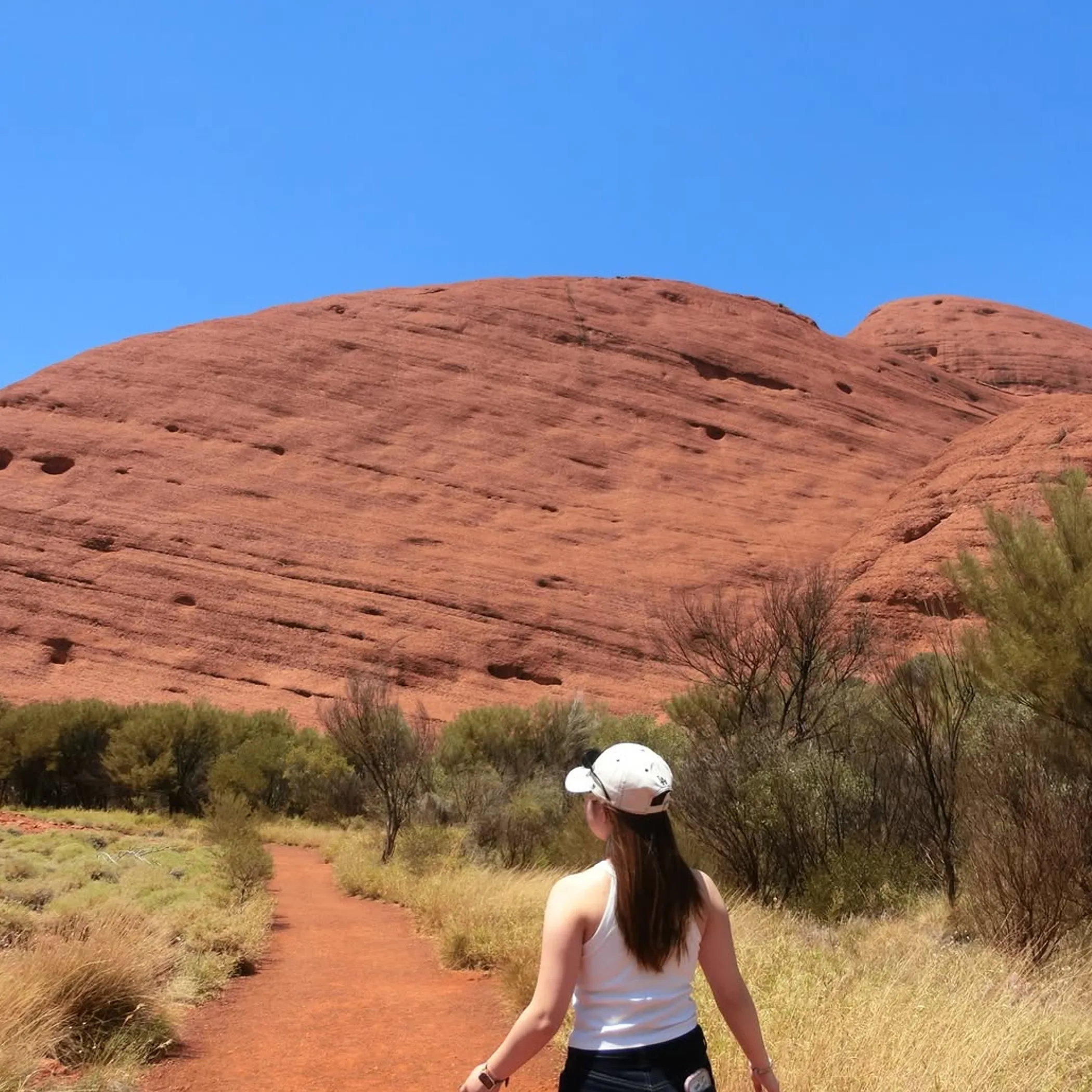
If this is a first trip and you have any intention of seeing both Kata Tjuta and Uluru, two nights is about as short as you want to make it. Three allows for a cultural walk, the visitor centre, sun up and down and the chance to alter plans for the weather.
With only a day to spare, put in a visit to the cultural centre or the Mutitjulu Waterhole, perhaps a guided Mala Walk and set aside time for Uluru; then decide on the base walk or Kata Tjuta as conditions dictate. Trying to cram every track and sunset into 24 hours is a recipe for turning a good trip into a mildly sweaty exercise in scheduling.
The kind of traveller Uluru is for
Uluru is for those who relish the open landscape, walking, a bit of culture and getting an early start, and with some forethought it is possible for older people and families to partake in activities that allow for rest and take the heat into account.
Those put off by strong sun, long drives, remote services or the formality of cultural protocols may find it less to their liking. Any with health issues would be well advised to consult their doctor and travelling party before walking in the warmth.
A practical checklist
In the Red Centre a little preparation goes a long way. See to the weather and your return transport and any park notices before you head out from your room. Be prepared to be flexible with the plan, wind or a closure will put a stop to things.
- Have enough water, a hat and proper enclosed footwear along with your sun protection.
- A light long-sleeved shirt for the flies and sun and some warm layers for a winter sunrise should be in the pack.
- Confirm meal options and have food for the morning.
- When behind the wheel think of fuel and emergency contingencies.
- Observe all signs and Anangu cultural protocols, remaining on the marked tracks.
Before you depart, the Parks Australia site for the Uluru-Kata Tjuta National Park has the official guidance and information on access and photography restrictions.
Mistakes to steer clear of
Some make the error of regarding Uluru as something of an hour’s attraction. Then there is the matter of putting down a booking for accommodation without giving transport to the tours a thought, or turning up in the height of summer with no provision for an early start. I have been witness to a traveller so intent on securing the ideal photo as to let the explanation right beside him go by unheeded.
In this part of the world practical and respectful travel are one and the same. Heed your guides, make no noise and do not encroach on restricted ground; put the landscape back the way you found it. The Anangu have a living, abiding relationship with Uluru that is more than a pretty line in some brochure.
Frequently Asked Questions About Uluru
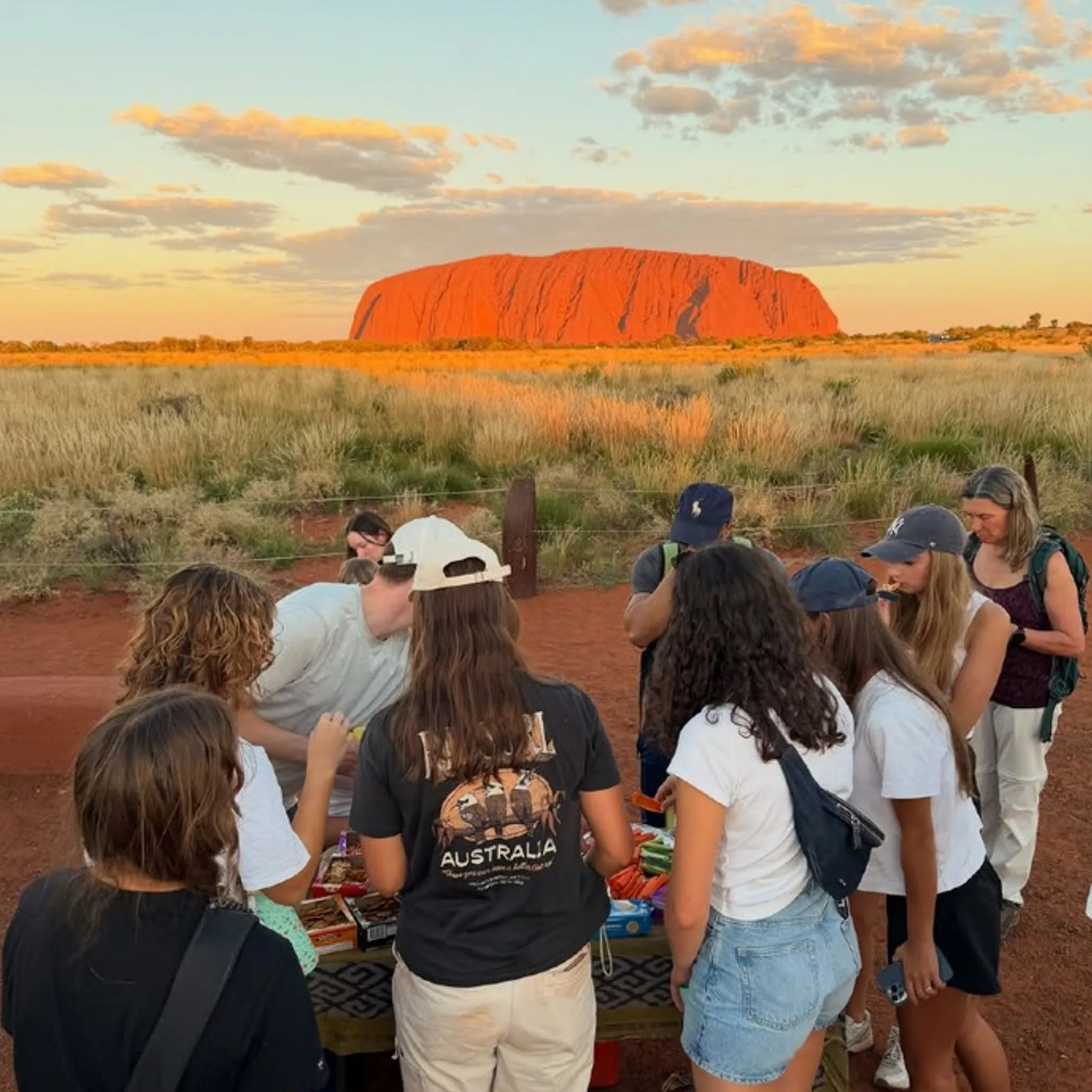
Before making a reservation travellers will want to put these questions to rest. While the answers here are straightforward, operating arrangements and conditions are subject to change, so do your due diligence and verify what is in place before setting off.
What time of year is best for a trip to Uluru?
For sightseeing and walking the cooler months between autumn and spring tend to be preferable. One has to be flexible in the face of heat and any closures in summer, with dawn being the time for activity and proper hydration; winter mornings can see some cold.
How many days should be put aside for Uluru?
A day is enough to tick off the highlights but then you are at the mercy of the weather and have no time for Kata Tjuta or a long walk. Two or three nights is better for a visit in proportion.
Is it worth the effort?
If a slower pace and the chance to learn something of the culture and open country appeal to you, yes. Not if you are after a well served destination with short distances and a nightlife to keep you going.
Can one walk around Uluru?
You can. It is 10.6 kilometres round the base and will occupy you for hours. As for the climb, that is done, permanently closed. Adhere to cultural guidance and the restrictions on the tracks.
Getting to Uluru from Sydney or Alice Springs
Sydney bound travellers will generally fly to Ayers Rock Airport, possibly via a connection, and on to Yulara. From Alice Springs an organised tour is an option or you can put in 450 kilometres or so on the Stuart and Lasseter highways. Make sure to check the schedules of flights and tours when you book.
Where to put up at Uluru?
Yulara has all the visitor services, food and supplies as well as the accommodation. A hotel or apartment or a campground will suit depending on your budget and how much you mind basic facilities.
What is there to do?
There is the Mala Walk, the Mutitjulu Waterhole, the cultural centre and the various base tracks to be had. Put in some time at Kata Tjuta and make of the sunrise or sunset what you will. The Field of Light is an addition, provided you have confirmed they are running during your stay.
The significance of Uluru to Aboriginal people
For the Anangu it is a sacred place where their stories and law give the landscape its spiritual life and identity. The climb is closed for a reason and there are areas to be left alone; take your instruction from the guides and approved interpretation.
More than a few photos to show for it
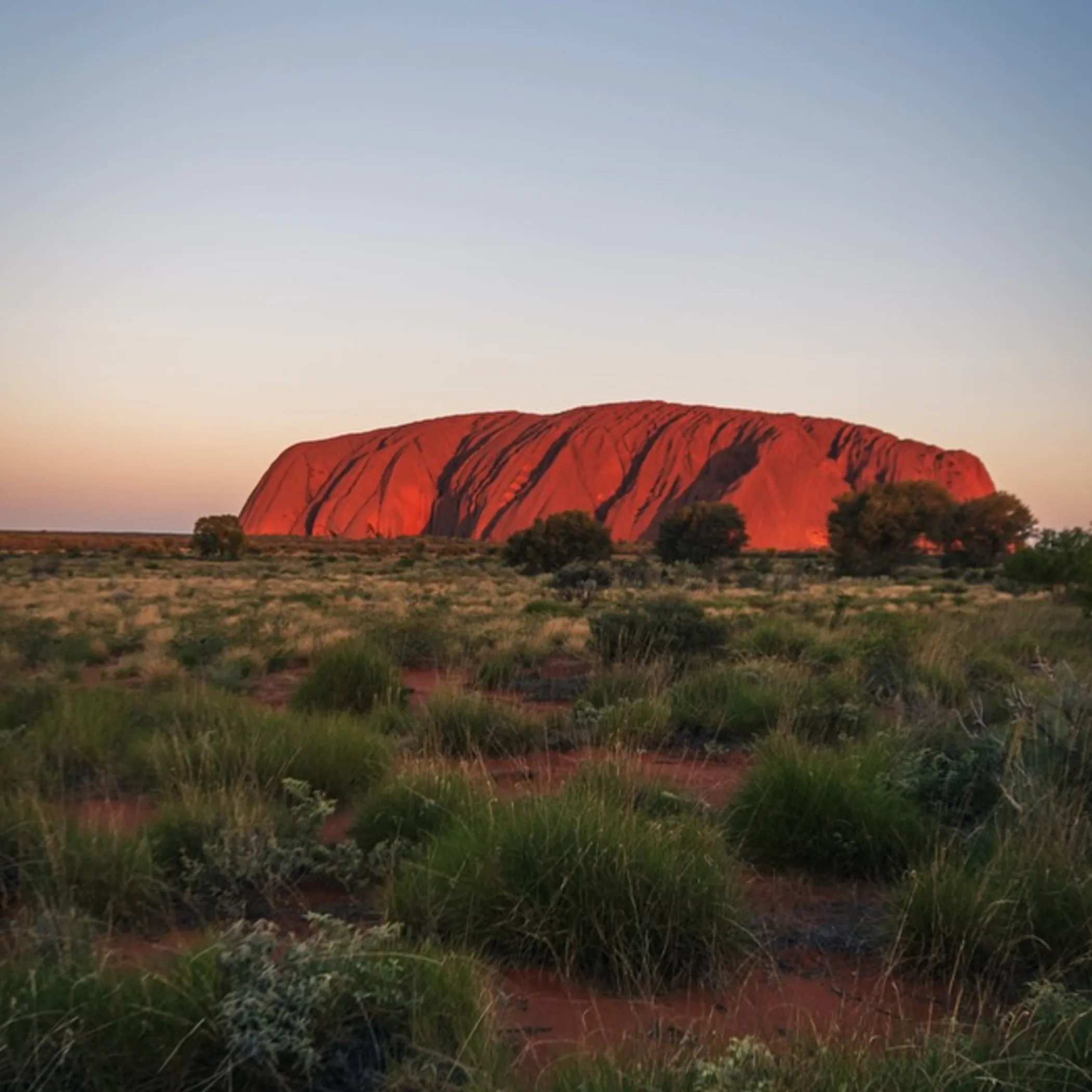
Come with a plan and the requisite respect and time for Uluru. Base yourself in Yulara for a couple of nights and get out early. Be prepared for the dust and the cold and the heat. Before you leave, check the official conditions and temper your expectations. What you come away with from Uluru in the way of understanding is of more value than the photos you have on your phone.
