When it comes to cosmetic tattoo aftercare in Australia, remember three easy rules: clean the treated area, ensure it’s kept fairly dry, and leave the skin alone while healing. Regardless of whether it is lips, brows, or eyeliner that are tattooed, it is important to pay attention to each detail if you want to preserve the pigment and experience minimal irritation during healing.
My name is Brodie Langridge, and I write about such practical things that are often learned after the procedure is done. Cosmetic tattooing is not a sit-back-and-do-nothing procedure. Your face might be looking darker, swollen, or uneven before settling down, but nobody explains what to expect in between. This guide covers the routine, stages of healing, the different products, how the conditions in Australia can affect the outcome, and when it is important to see a medical professional.
Cosmetic Tattoo Aftercare in Australia
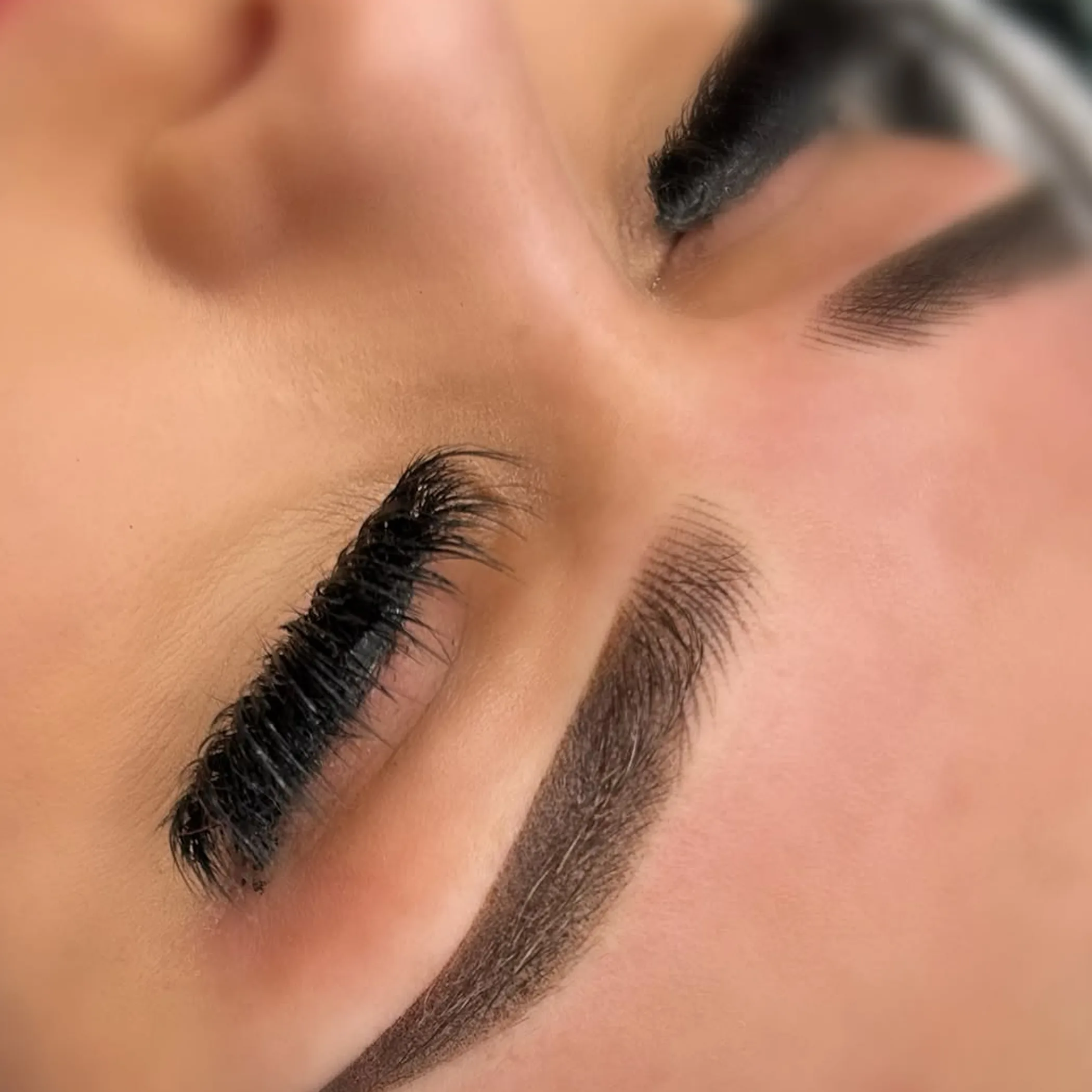
Conditions in Australia make everything much more challenging than expected. For example, hot sun, humidity, possible sweat, excessive UV rays exposure, and other annoying things increase risk of irritation and pigment wearing off.
When you talk about cosmetic tattoo aftercare in Australia, the advice you will hear is quite simple: keep your hands clean, follow the recommendations of your tattoo artist, and do not touch or pick the tattoo. In case you are comparing options, it is advisable to ask the artist what products to use; whether they provide touch ups; and what should be done in case of swelling, pain, or rash. For those considering permanent makeup in the capital, choosing an experienced artist is also important.
Transport Home
It is recommended to organize a ride to your home in advance. It is possible to drive after having your brows or lips tattooed, but when it comes to tattooing the eyes, the swelling can make you feel extremely uncomfortable. While you can also use public transport, a hot crowded bus is definitely the last place to find out that your fresh lip tattoo is a bit weepy.
Make sure to leave enough time to get home and avoid vice versa. If you park your car in a shade and take clean tissues with you, and avoid fitness, beach, or work, you will see how useful it could turn out to be.
When Do You Need Extra Help?
Talk to your tattoo artist if you have sensitive skin, suffer from eczema, or have allergies. If you are on medication, seek medical advice before stopping to take your medicines on your own.
Cosmetic tattooing is usually not recommended for those having an active skin infection, open wound, sunburn, or rash in the tattoo area.
First 7 to 10 Days
First seven to ten days are the most dangerous ones when it comes to making the little efforts bring the best result, as newly tattooed skin needs extra care and protection from cosmetics and dirty hands. Applying too much product may cause greasiness, moisture retention, and can lead to the development of blocked pores or irritation. A thin layer, if recommended, is usually sufficient.
Daily Aftercare Guidelines
- Wash your hands before touching the area.
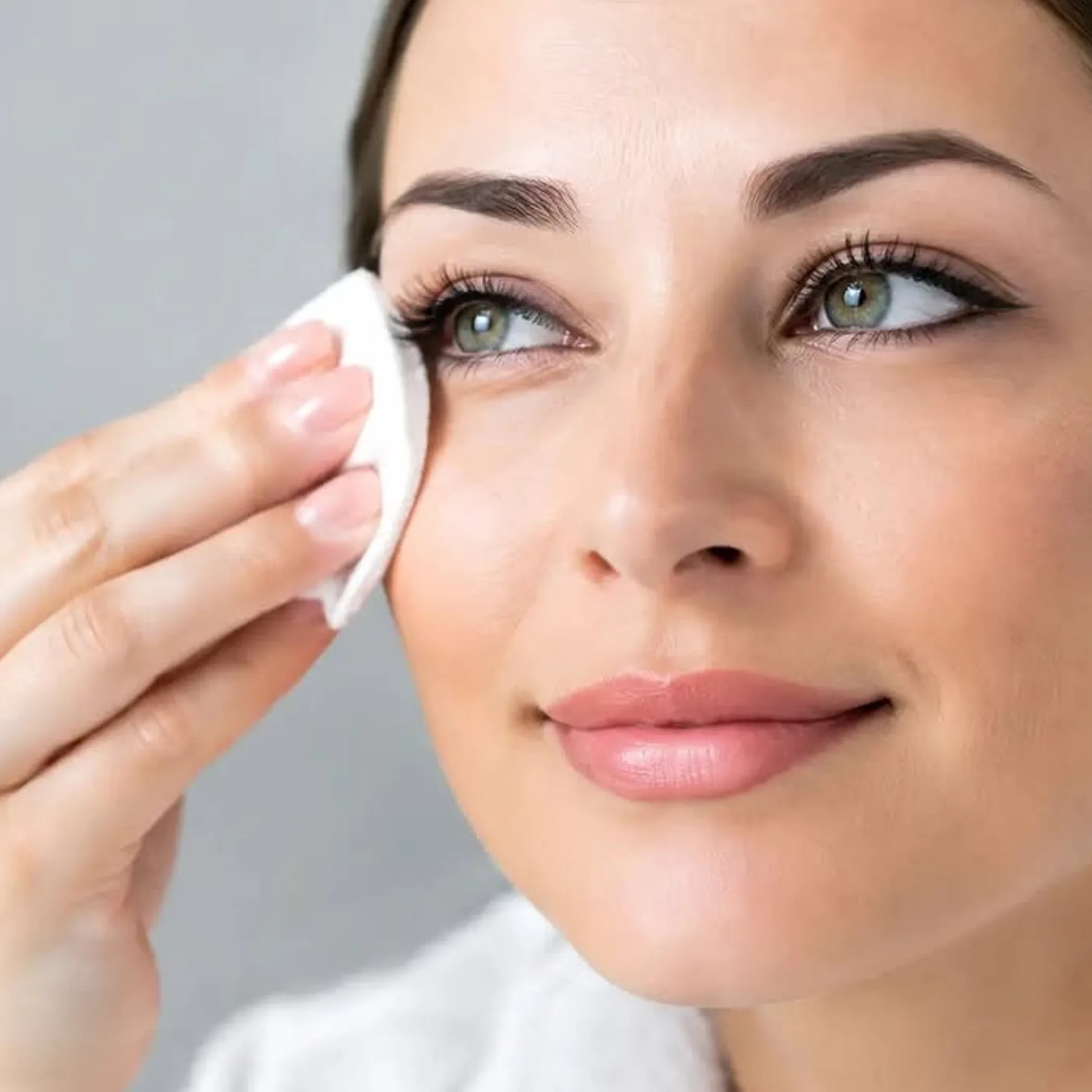
- Only clean the treated area as directed, using clean water, a soft cloth or recommended cleanser, and gentle pressure.
- Pat dry with a fresh, soft tissue or disposable paper towel; do not rub.
- Keep the area dry while showering and avoid coming in direct contact with hot water.
- Use only the indicated aftercare balm, and apply a thin layer.
- Avoid picking, scratching, exfoliating, or peeling marks off.
- Sleep on a fresh pillow and avoid coming in contact with unwanted substances such as pets or dirt.
Do not apply alcohol, hydrogen peroxide, strong acids, retinol, fragrant or essential oil-based moisturizers on a fresh cosmetic tattoo unless specifically recommended by professional practitioners. These substances may sting and eventually affect skin barrier function.
What Can Surprise Someone?
Sweating is a typical issue in regions where the weather is a factor, including Top End, Northern Queensland, when people plan on having a quiet evening and somehow still manage to sweat during their walk to the car, while cooking, or even at night when sleeping. To relieve such issues, make sure the room is cool, bedding is changed and skin is dried with gentle blotting instead of rubbing.
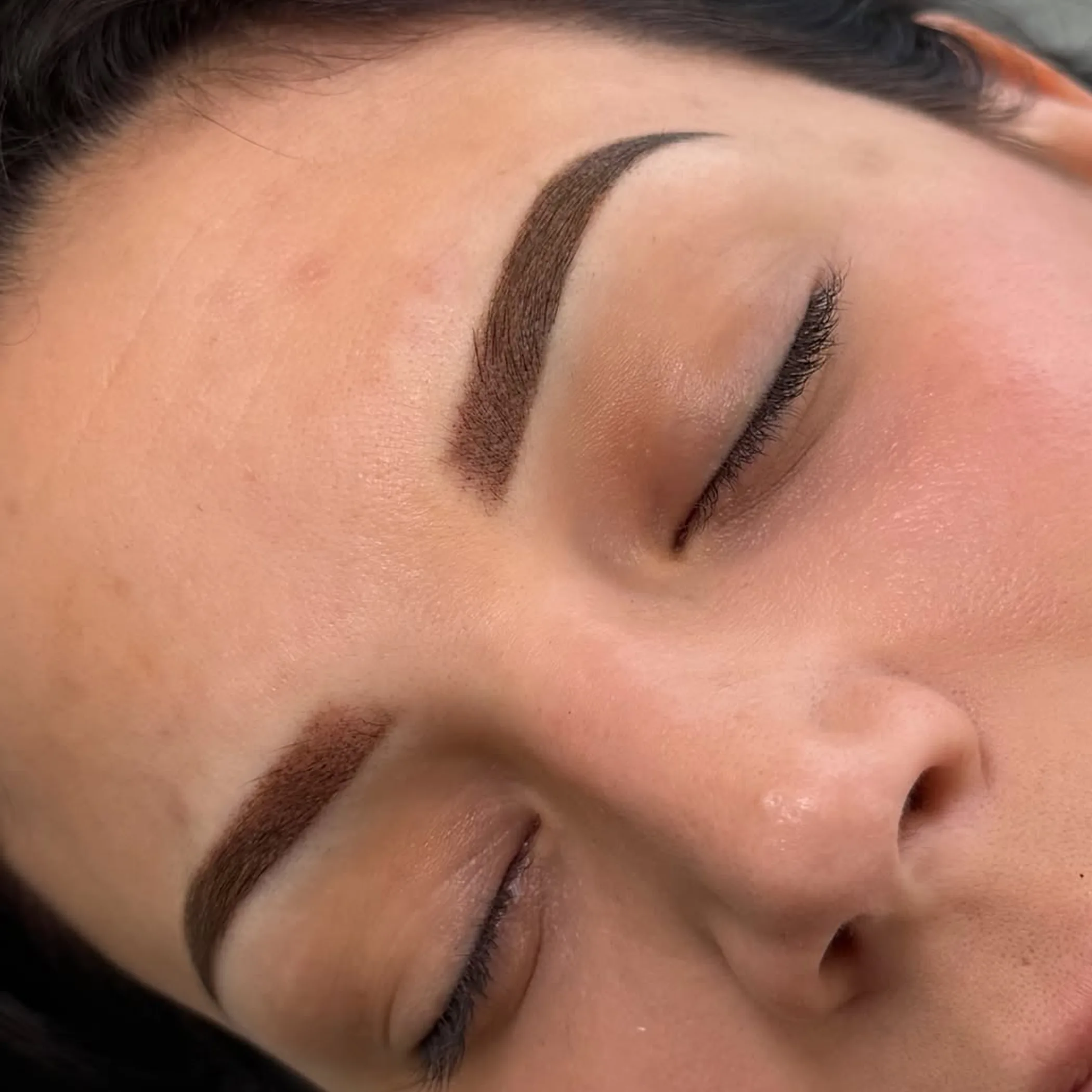
Another common phenomenon would be discoloration. Pigments might often appear more pronounced right after a treatment, they get lighter or patchy while peeling skin might develop; this, however, does not end there. So, do not be worried. It would be wise rather to observe before deciding on anything.
Cosmetic Tattoo Recovery Time
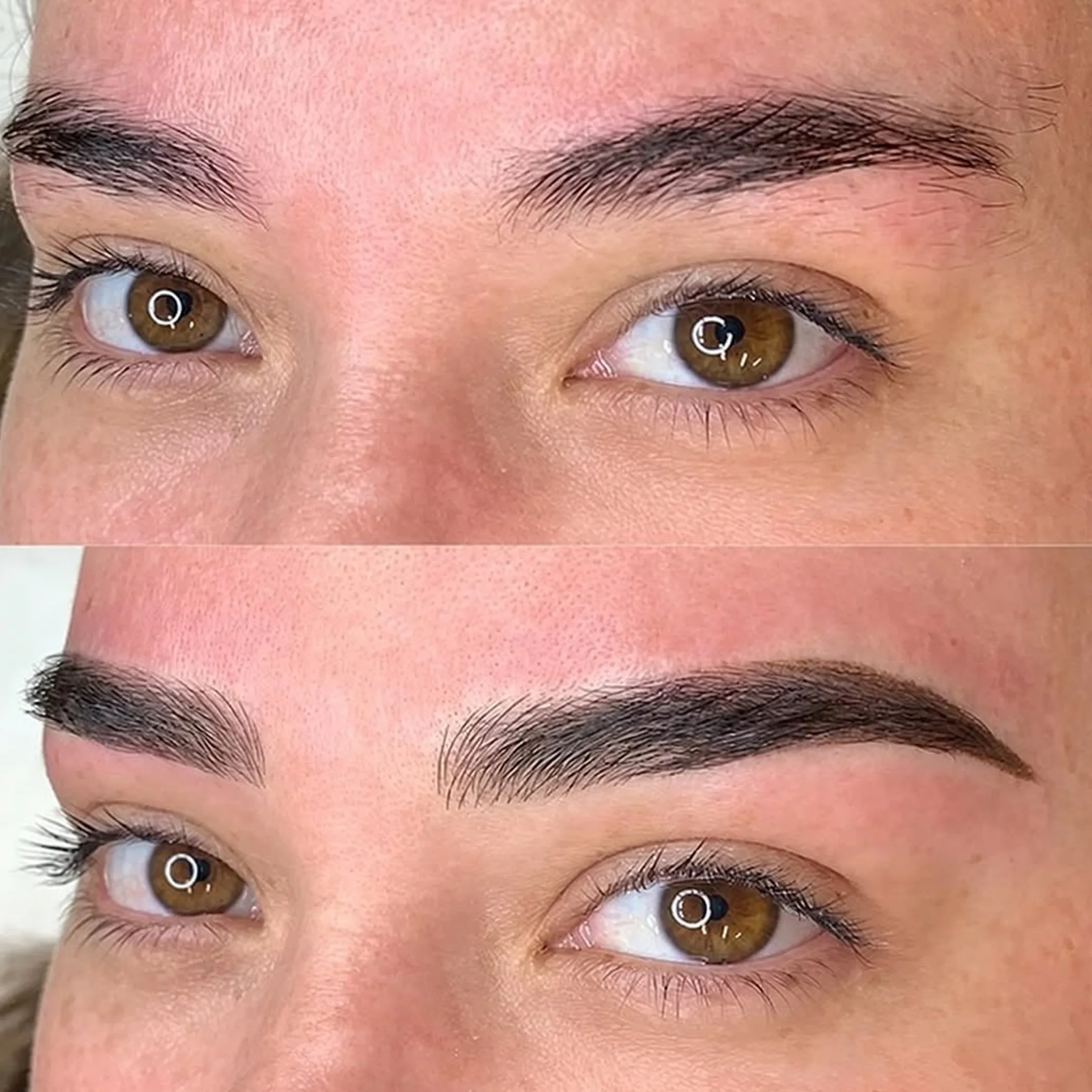
Your recovery time would depend on the treatment in question, skin type, dye used during the treatment, technique applied, climatic conditions, as well as your compliance with recovery instructions. Below one can find a sample recovery time, and it is just an estimation, not a warranty.
Additionally healing time can be extended if the hapless area has been irritated or something else, for example, long exposure to sunshine, or premature return to swimming and heavy physical activity, there is also reason to refer to your practitioner.
| Stage | What You May Notice | What To Do |
|---|---|---|
| First couple of days | The area may appear darker, swollen, sensitive, or uneven | Follow your practitioner’s instructions and avoid interfering with healing |
| While peeling | The colour may become lighter or patchy | Observe the result and do not pick at crusts or scabs |
| After healing | The tattoo may look softer and less bright | Wait before deciding whether any adjustment is needed |
Eyebrow And Brow Care
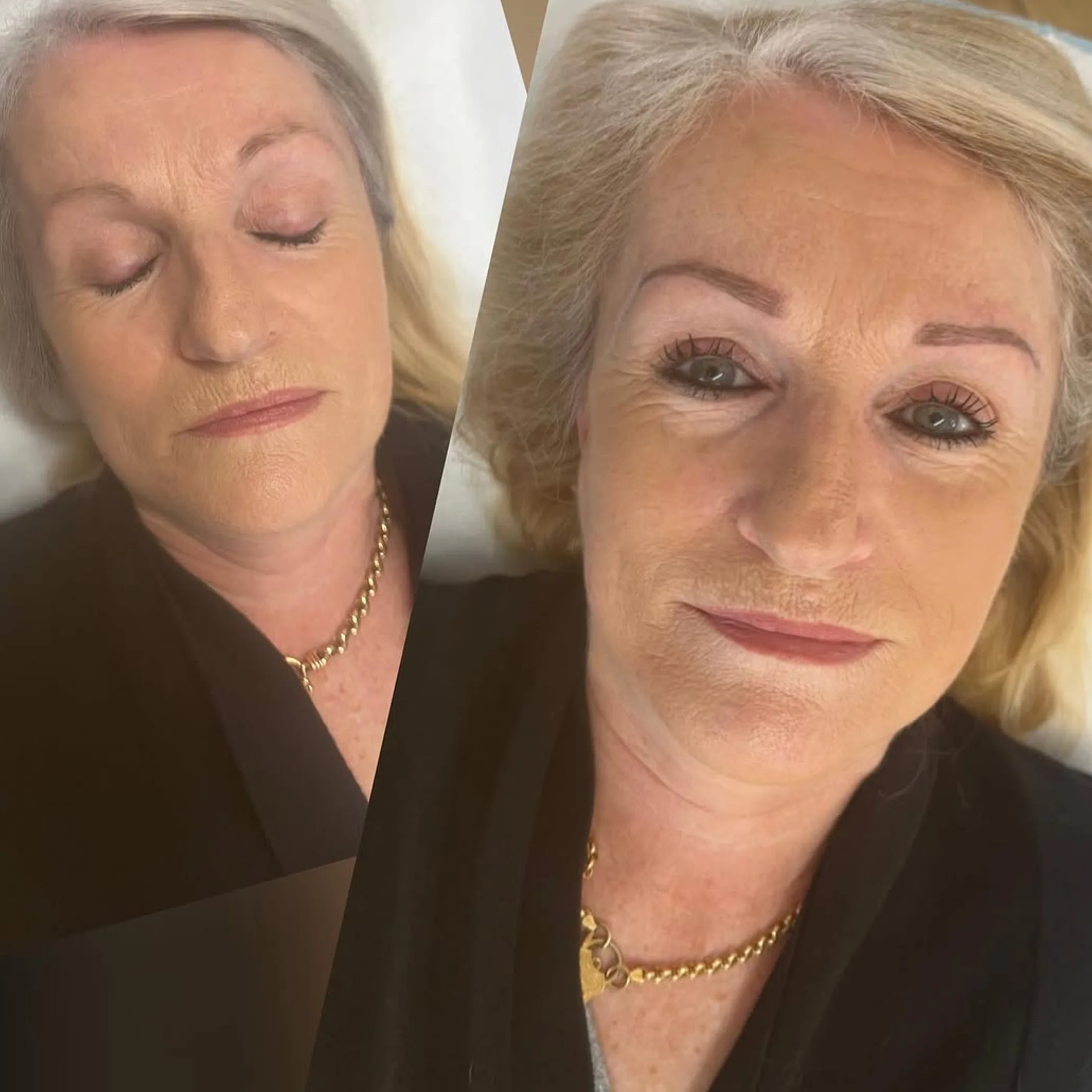
Aftercare for brows requires avoiding unnecessary contact, cosmetics, and anything that may interfere with healing. Follow your practitioner’s instructions and do not play with crusts or scabs.
Brows In Hot Weather
If sweating is inevitable during exercise or hot weather, avoid it until the brows have recovered. Keep the room cool and use gentle blotting instead of rubbing if moisture develops.
Lip Tattoo Aftercare
After getting a lip tattoo, aftercare should prioritize avoiding rubbing and interfering with the healing process. Your lips are very sensitive, so it is very important to ensure proper healing to guarantee the desired results.
The protocol for the first couple of days is to refrain from applying any lip gloss or lipstick on the treated area unless your artist suggests otherwise. Do not preempt the healing process by playing with crusts and scabs, as that is very important to the process.
If you participate in sports where sweating is inevitable, we recommend avoiding that until your lips have recovered. As soon as the tattoo starts to peel, you can return back to lip products if need be.
Taking care of lip tattoos follows a stricter rule since the lips are constantly moving and interacting with meals, drinks, saliva and pastes. Although some mild swelling, dryness and uneven coloration may arise, particularly after lip blush treatment, during the first days, this should not cause any panic.
Follow the prescribed balm and, if your practitioner advises you to, drink from a straw on the first day. Eat food at either cool or lukewarm temperature, make small bites and if crispy, salty or acidic foods cause some irritation, steer clear of them. Do not lick, bite or peel off the skin at all even if you’re bothered by itching.
Cold Sore precautions
Anyone who has had cold sores should consult with doctor for antiviral prophylaxis prior to the procedure. In some cases, people may develop cold sores as a consequence of trauma, and in such situations, it is always better to act quickly and see a doctor, not speculate on a regular evolution. Avoid picking or scratching your cosmetic tattoo to prevent delayed healing and possible infections.
The first time you look at the tattoo after it has healed, it may have a too bright and provocative appearance. However, this is quite usual and unless there are some serious complications, you can wait a little bit and observe what comes next.
Eyeliner tattoo aftercare
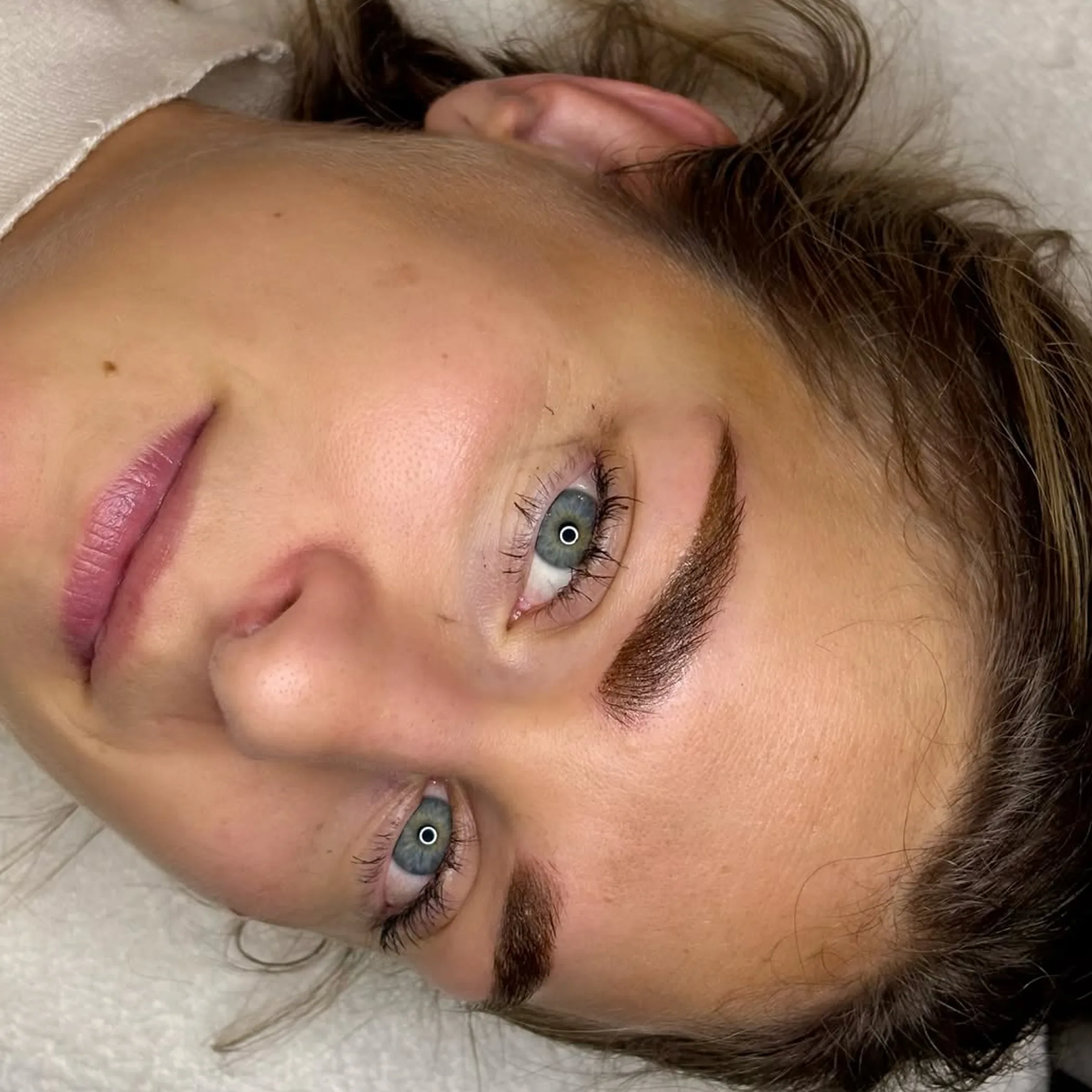
Caring for the skin around the eyes is quite a challenge because the skin is located too close to the eyeballs. It may swell temporarily and be sensitive to many things, including pain in the eye, need for extra medications and some other problems.
If something feels wrong in the eye or is not as it used to be, don’t hesitate to consult with a practitioner or a health professional. Do not experiment with the eye, this is not the place for doing something typical and trivial.
Swimming, exercise and sun
Water, sweat and UV radiation are the most difficult challenges for any skin tattooed. If you are serious about taking care of your tattoo on the skin and protecting it from irritation, try to avoid swimming and soaking.
Expectations and reality
Expectation: you will leave with the final color. Reality: most likely you will leave with something darker, sharper or more expressive than it will look when healed.
Expectations: a quick dip won’t matter. Reality: you definitely do not want to expose your healing skin to moisture, chemicals and microorganisms.
For direct and proven public health information about how to recognize skin infections and when to see the doctor, refer to Healthdirect guide on skin infections. Urgent care is needed in the case of substantial swelling, along with breathing or other symptoms.
Aftercare products in Australia
Most often, it is recommended to use a mixture of panthenol, aloe vera or other soothing content. Even if many products claimed to be natural, this does not necessarily mean that they are not harmful. When people think about tattoo aftercare cream and ask questions, some of the products that are the subject of questions in Australia are Bepanthen, Aquaphor, Dr Pickles, Ink Nurse, and Tattoo Goo. You may also find certain stores in chemists like Chemist Warehouse and Priceline that may have some general skin-repair or tattoo-related products. However, with the availability of these products, and just because a product is available in these stores doesn’t mean they are suitable for fresh cosmetic tattooing.
Select Carefully
Ask if the product is fragrance-free, how much to apply, and how often to use the product. Witch hazel can serve irritable purposes for some people due to broken skin or sensitive skin. Panthenol and aloe vera could fit into some formulations, but the entire ingredient list means more than one interesting ingredient on the label.
Some tattoo artists do not like Aquaphor, because it may be too heavy from the occlusive nature for some healing practices. Others may use a very small amount. Bepanthen can similarly fit, but whatever it is you choose, you should listen to what your practitioner has said and stop using the product if there any signs of burning, rash, or if there is some worsening irritation.
If you have a negative reaction to the product, remove it caution, stop using it altogether, and keep your practitioner or a health professional informed in matters pertaining to the reaction.
Considerations for Lifestyle In Australia
The nature of your surroundings determines the practicality of your routine. In Hunter wet season, you may be likely to encounter excess sweat, and during the dry season, the dust might serve to dry the conditions. In Red Centre or Pilbara, you may face the dangers of the sun and long rides serving to show rough skin even though the air seems dry naturally.
If you have camping experiences on the same day as the service, you should delay treatment. This would also apply to a road train commute, participating in bushwalks or cleaning bushfires. If you really cannot delay treatment, you should consider carrying a product approved by your practitioner that will reduce the effects of healing.
Appointments for Follow-ups/Touch-Ups
You should keep your follow-up appointments only if this has been discussed with your practitioner, the right conditions must be within your chosen time frame. That being said, they might recommend a follow-up touch-up and you should always seek advice when inspiration strikes.
Questions and Answers
What aftercare products work best?
The best product is the one that is clean and approved specifically for what you need. Look out for simple instructions about minimal fragrances and poorly crafted labels. Chemist Warehouse does sell products that are specifically made for tattoo or skin healing purposes, but stock availability may differ from store to store or even online so it is advisable to check the ingredients in case one needs to consult with their cosmetic tattoo practitioner to confirm that the product can be used for the healing process after brows, lips, or eyeliner have been done.
Why Do Artists Avoid Aquaphor?
Some artists might choose to avoid Aquaphor since it is occlusive and tends to be too heavy to use on healing skin. On the other hand, other tattoo practitioners might allow the application of Aquaphor very lightly, and the best choice to go with would depend on the particular technique used, the skin and the recommendations provided.
Can I Use Bepanthen on My Tattoo?
If the practitioner recommends Bepanthen, then it is possible to use it, but do not apply it to your tattoo unless it is recommended to you. Use only a thin layer, and avoid using it near the eyes, or discontinue usage if any burning feeling or rash/irritation worsens.
Can I Donate Blood Afterwards?
In general terms, one should know that whether blood can be donated after getting a cosmetic tattoo depends upon the Australian donation guidelines and their situation. Therefore, it is better to check with Australian Red Cross LifeBlood for any changes made to donation rules before donating blood.
Be Patient and Take Care of Your Results
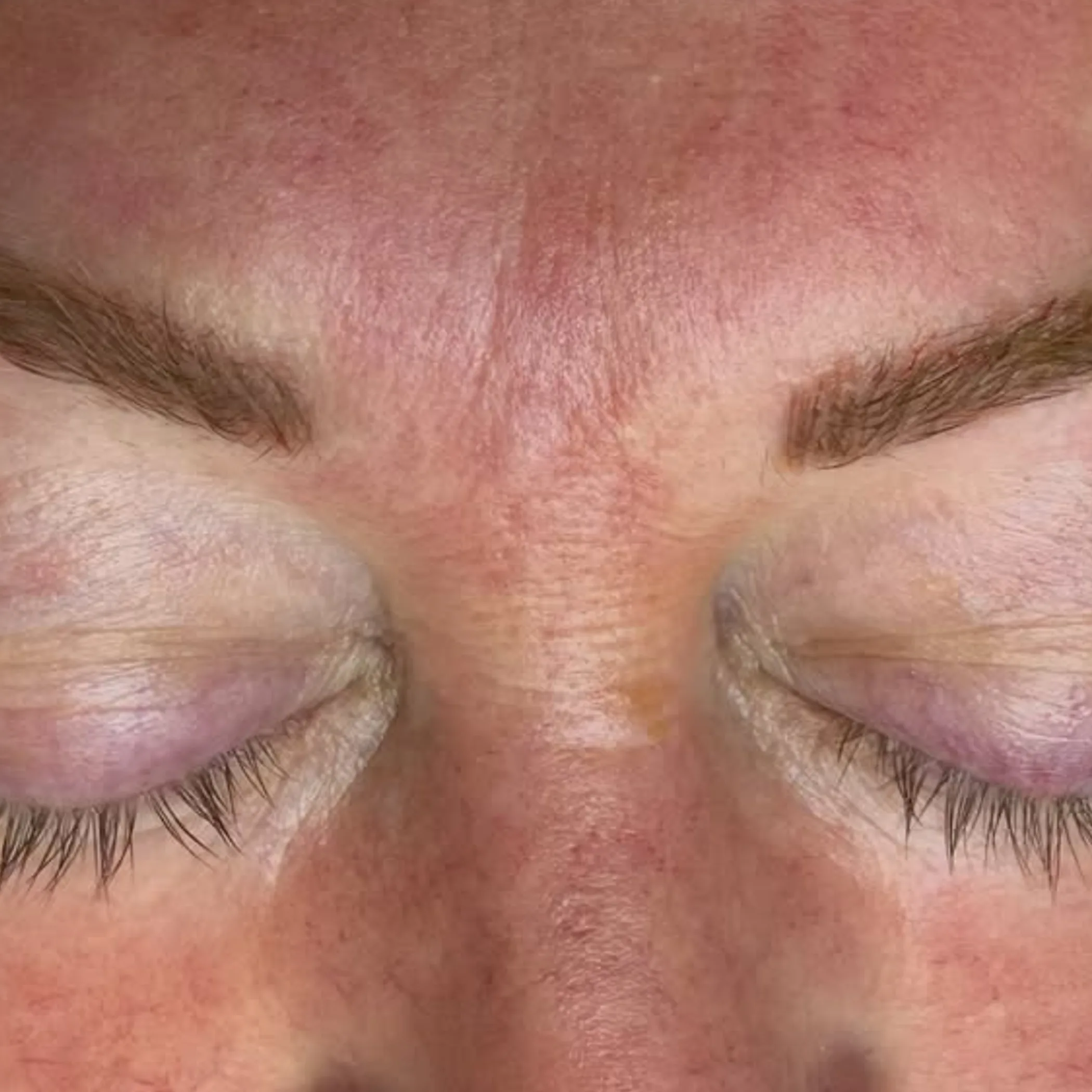
Great cosmetic tattoo aftercare is all about self-restraint: clean hands, gentle care, no picking, no soaking, and taking basic precautions regarding sweat and sunlight. The first week to 10 days can get messy, but temporary darkness, scabbing, peeling, and lightening of pigment are not necessarily signs of a failed procedure.
Take heed of your provider’s instructions in writing and, if the worsening symptoms are bothering you, seek assistance. Nonetheless, wait for the healing process to run its course before making any determinations. A little patience will go a long way toward saving a lot of hassle – and no one wants another beauty disaster to occur at this hour.
